Explore our insights
Asset class
Formats
2026 Midyear Investment Outlook

2026 Midyear Investment Outlook
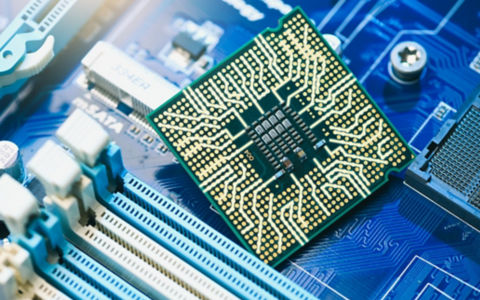
AI demand is scaling rapidly as usage expands from coding into customer service, digital platforms, and broader enterprise workflows. As workloads become more demanding, the infrastructure required to support them is also becoming significantly more complex. Hyperscale capex continues to rise as AI shifts from simple inference to agentic, long duration workloads. In our view, this points to the start of a multiyear compute supercycle — and with compute needs continuing to outpace supply, semiconductors sit at the heart of this supercycle.
Asia sits at the core of the semiconductor ecosystem. The region holds leading positions in materials, memory, and advanced manufacturing capabilities that are difficult to replicate at scale. Japan owns critical materials and tools, Korea leads memory, and Taiwan still sets the bar in advanced fabs and packaging. Even with US onshoring, the deep supplier networks and engineering talent required for advanced nodes continue to be concentrated in Asia. These entrenched advantages create durable, high margin moats for the region’s most specialized tech leaders.
In our view, Asia offers some of the most compelling opportunities in this AI supercycle, particularly in the structural bottlenecks emerging across the semiconductor ecosystem — areas where demand is outpacing capacity and the gap is widening:
These dynamics extend beyond the industry’s megacaps. High quality SMID-cap names sit at the heart of rising chip complexity, providing the advanced equipment, specialty materials, and supporting manufacturing technologies that are becoming essential as AI, memory, and advanced node production drive higher process intensity. We believe these SMID-caps combine strong competitive advantages and solid margins with valuations that remain attractive relative to their long term growth potential. As this segment of the market remains under-covered, we believe active management is essential to capturing these opportunities.
The views expressed are those of the authors at the time of writing. Other teams may hold different views and make different investment decisions. The value of your investment may become worth more or less than at the time of original investment. While any third-party data used is considered reliable, its accuracy is not guaranteed. For professional, institutional or accredited investors only.
Expert

Contributors