





- Investment Strategy Analyst
FEATURED EQUITY FUNDS
FEATURED FIXED INCOME FUNDS
Asset classes

Asset classes
The views expressed are those of the authors at the time of writing. Other teams may hold different views and make different investment decisions. The value of your investment may become worth more or less than at the time of original investment. While any third-party data used is considered reliable, its accuracy is not guaranteed.
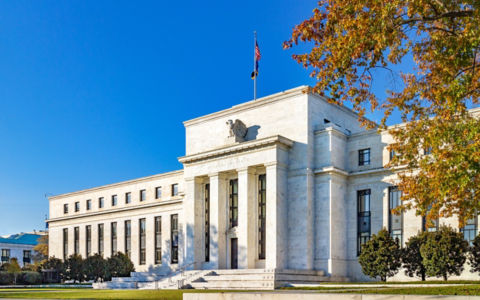
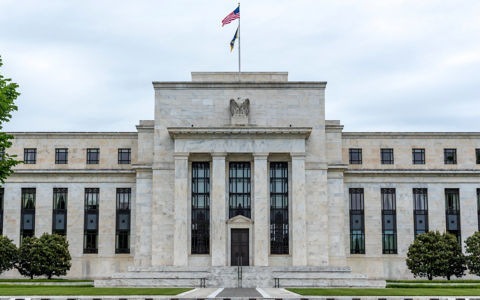
After a strategic pause through much of 2025, the US Federal Reserve (Fed) has resumed rate cuts, lowering its benchmark interest rate by 25 basis points on September 17 — the first reduction since December 2024. While tariffs have complicated the inflation and growth outlook, the Fed has signaled that preserving growth remains its top priority. Although most developed market central banks are also in easing mode, albeit at varying speeds, the Fed’s return to rate cuts injects fresh momentum into the global rate-cutting cycle.
Historically, equities tend to rally in the months following the initial Fed cut during periods of economic stability, and they did so after last year’s rate cuts. However, tariffs disrupted the rate-cutting cycle, triggering heightened volatility across risk assets. Preserving growth has become the near-term priority for central banks, even as inflation risks linger. For investors, the key question is how much the macroeconomic backdrop has shifted since rate cuts resumed, as the context surrounding monetary easing remains critical for risk assets.
In hindsight, central banks were relatively aligned in their objectives for some time, hiking rates post-COVID to curb elevated inflationary pressures and then easing as price pressures subsided. With an uncertain outlook for growth and inflation and as central banks face challenges in maintaining policy equilibrium, global policy could increasingly diverge, potentially leading to disparate outcomes for risk assets across different markets.
Experts


DISCLOSURE
This material and its contents may not be reproduced or distributed, in whole or in part, without the express written consent of Wellington Management. This document is intended for information purposes only. It is not an offer or a solicitation by anyone, to subscribe for shares in Wellington Management Funds (Luxembourg) III SICAV (the Fund). Nothing in this document should be interpreted as advice, nor is it a recommendation to buy or sell shares. Investment in the Fund may not be suitable for all investors. Any views expressed are those of the author at the time of writing and are subject to change without notice. Investors should carefully read the Key Facts Statement (KFS), Prospectus, and Hong Kong Covering Document for the Fund and the sub-fund(s) for details, including risk factors, before making an investment decision. Other relevant documents are the annual report (and semi-annual report).
© 2026 Morningstar, Inc. All Rights Reserved. The information contained herein: (1) is proprietary to Morningstar; (2) may not be copied or distributed; and (3) is not warranted to be accurate, complete or timely. Neither Morningstar nor its content providers are responsible for any damages or losses arising from any use of this information. The Overall Morningstar Rating for a fund is derived from a weighted average of the three, five, and ten year (if applicable) ratings, based on risk-adjusted return. Past performance is no guarantee of future results.
Issued by Wellington Management Hong Kong Limited. Investment involves risk. Past performance is not indicative of future performance. This document has not been reviewed by the Securities and Futures Commission of Hong Kong.