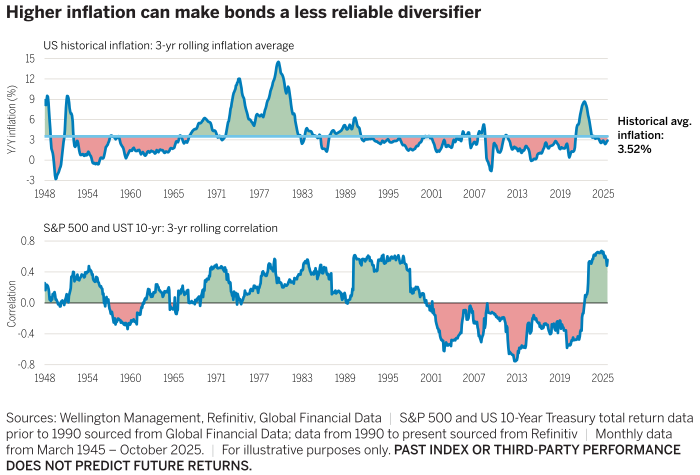
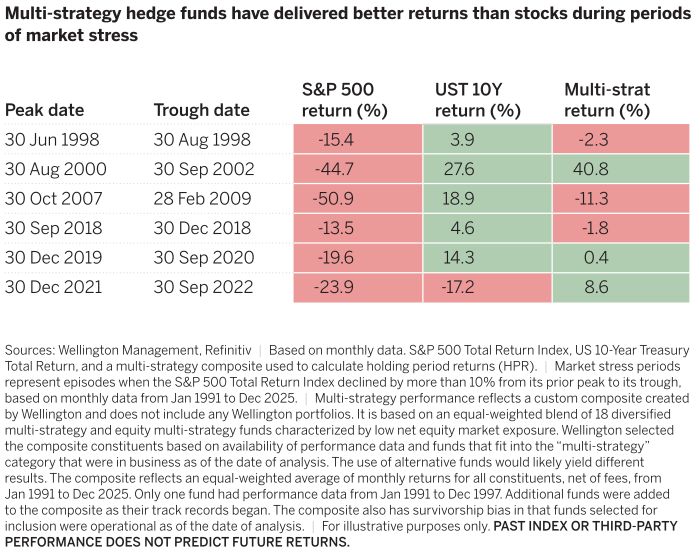
1Equity returns are represented by the S&P 500 Total Return Index. Bond returns are represented by the total return of the US 10-year Treasury. | 22022 performance reflects the S&P 500’s peak-to-trough drawdown period (1 January – 30 September). | 3Source: HFRI. Data for the full history of the HFRI Equity Hedge Index, from 29 December 1989 to 30 September 2025.
IMPORTANT DISCLOSURES: CAPITAL MARKET ASSUMPTIONS
Intermediate capital market assumptions reflect a period of approximately 10 years. If we developed expectations for different time periods, results shown would differ, perhaps significantly. Additionally, assumed annualized performance and results shown do not represent assumed performance for shorter periods (such as the one-year period) within the 10-year period, nor do they reflect our views of what we think may happen in other time periods besides the 10-year period. Annualized returns represent our cumulative 10-year performance expectations annualized. Assumed returns shown do not reflect the potential for fluctuations and periods of negative performance.
This analysis is provided for illustrative purposes only. This material is not intended to constitute investment advice or an offer to sell, or the solicitation of an offer to purchase shares, strategies or other securities. References to future returns are not promises or even estimates of actual returns a client may achieve. This material relies on assumptions that are based on historical performance and our expectations of the future. These return assumptions are forward-looking, hypothetical, and are not representative of any actual portfolio, or the results that an actual portfolio may achieve. Note that asset-class assumptions are market or beta only (i.e., they ignore the impact of active management, transaction costs, management fees, etc.), with the exception of hedge fund assumptions. Hedge fund CMAs consist of a long-term exposure to beta based on analysis of HFRI indices, plus an assumed net alpha. For expected returns, we use a derived composite approach (blend of asset classes) based on a general estimate of beta exposure of the indices in question over time. We also assume one percentage point of net alpha.
The expectations of future outcomes are based on subjective inputs (i.e., strategist/analyst judgment) and are subject to change without notice. As such, this analysis is subject to numerous limitations and biases and the use of alternative assumptions would yield different results. Expected return estimates are subject to uncertainty and error. Future occurrences and results will differ, perhaps significantly, from those reflected in the assumptions. ACTUAL RESULTS MAY DIFFER SIGNIFICANTLY AND AN INVESTMENT CAN LOSE VALUE. Indices are unmanaged and used for illustrative purposes only. Investments cannot be made directly into an index.
This illustration does not consider transaction costs, management fees or other expenses. It also does not consider liquidity (unless otherwise stated), or the impact associated with actual trading. These elements, among others, associated with actual investing would impact the assumed returns and risks, and results would likely be lower (returns) and higher (risk).