Markets at a crossroads
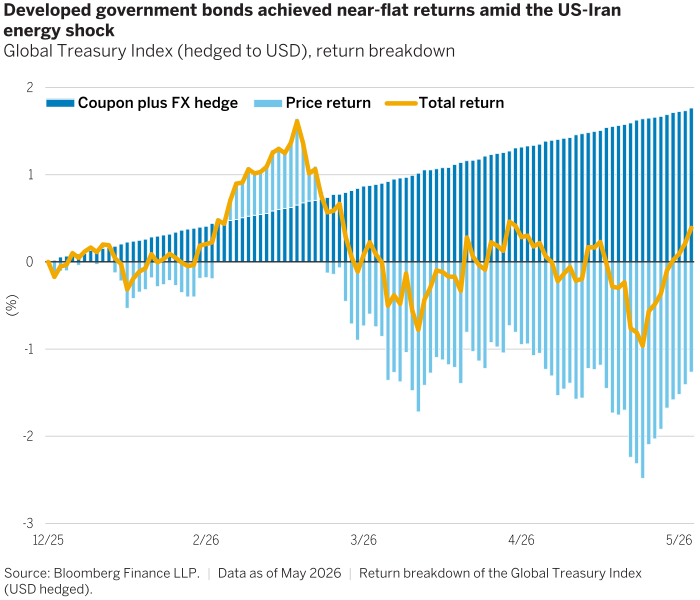
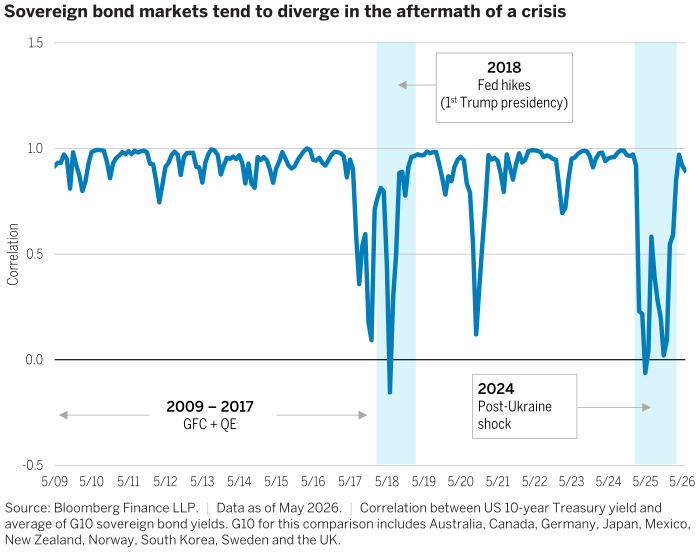
Following a period of strong, AI-led returns in early 2026, the conflict in the Middle East caused a sharp and synchronised rise in yields. This reaction reflects a combination of geopolitical uncertainty, higher energy prices and, increasingly, a renewed investor focus on the persistence of inflation. Even allowing for a potential reduction in geopolitical risks, the exogenous shock of the US-Iran war will have long-term ramifications. In an environment where commodity prices will continue to drive yields, investors find themselves at a crossroads heading into the second half of 2026: should they brace for a growth hit or seek to hedge against higher inflation?
Following the spike in rates, increasing duration exposure can be an attractive proposition, as long-end yields (particularly in markets like the UK) present a compelling entry point. We have already noted the benefit of high starting yields to the total return equation via the income component. This attractive starting point provides a cushion against a further rise in yields as central banks contemplate tighter monetary policy. Conversely, if geopolitical tensions ease and oil prices fall back, or if the market’s focus shifts to the negative growth implications of the energy supply shock, there is the potential for yields to decline. Such a shift would provide additional price return at a time when risk assets are likely to face a tougher outlook.
Our base case is that oil prices will remain structurally higher than their pre-conflict levels, even if tensions ease, as global supply chains will need to adjust to a more fractured trading environment. Moreover, inflation was above policy targets for five years before the current crisis, and mounting questions over public debt have already contributed to a structural rise in term premia, which has pushed yields higher in recent years.
This crisis will do nothing to help maintain this fragile equilibrium, leaving policymakers with an extraordinarily complex challenge: monetary and fiscal policies will have to address potentially conflicting inflationary and growth trends, while limiting a further deterioration in public finances. How well the major central banks deal with this conundrum will likely determine the direction of yields and where we fall between the two scenarios outlined above.
Against this backdrop, we would advocate a more cautious and flexible approach to increasing duration risk.